Sewing Details
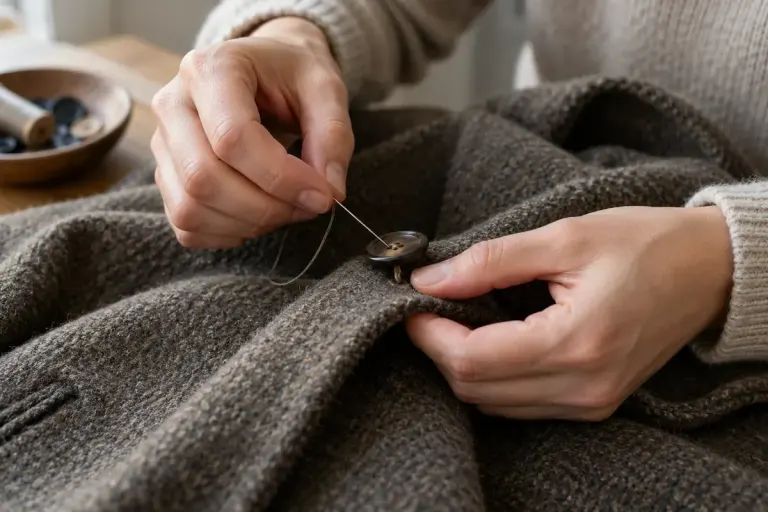
Leave room beneath a hand-sewn button for the fabric it will fasten
A small thread shank gives a flat button room to close over thicker fabric. Learn how to judge the space using the actual garment layers.
Know the cloth before the first cut.
A small thread shank gives a flat button room to close over thicker fabric. Learn how to judge the space using the actual garment layers.
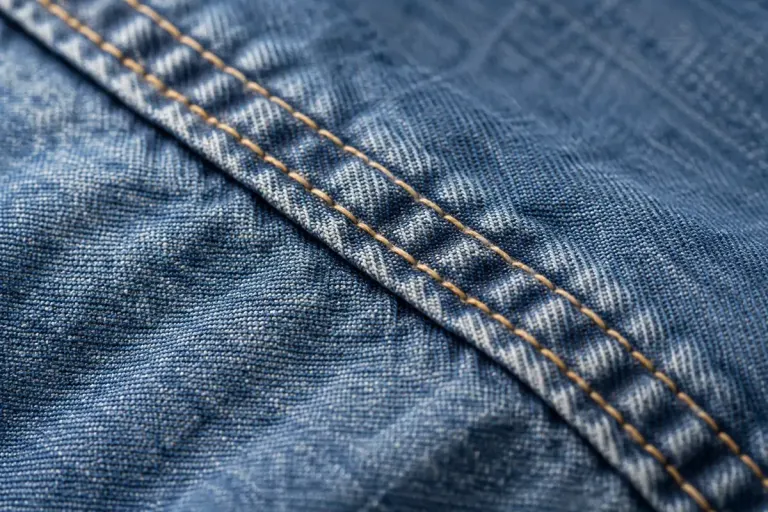
Understand how a flat-felled seam encloses its edges, where it suits a project, and what to check on a fabric sample before sewing the garment.
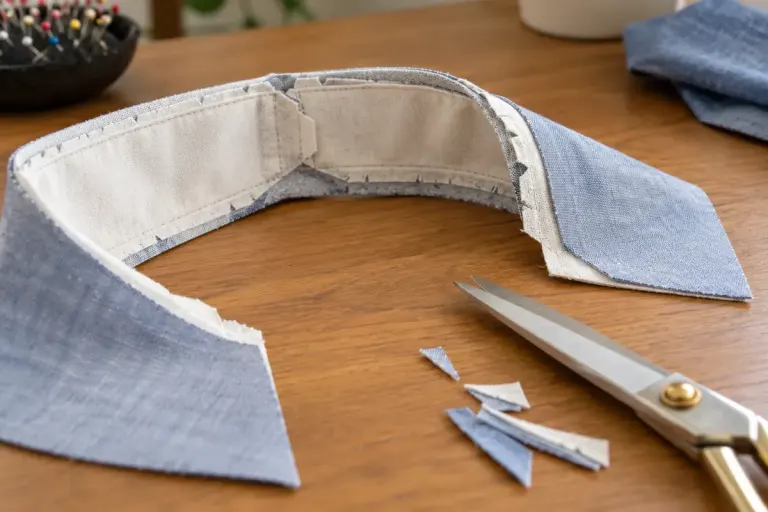
Reduce seam bulk in a collar or facing by trimming allowances to different widths while protecting the stitching and planning for the fabric’s behaviour.
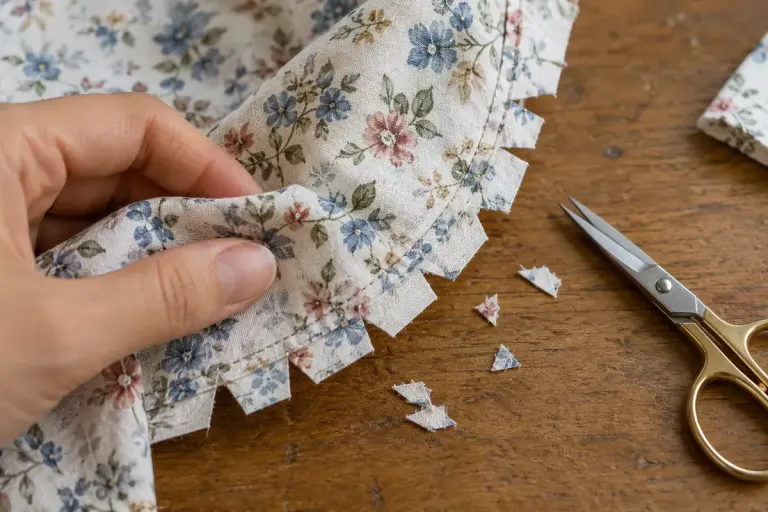
Understand when a curved seam needs clips or wedge-shaped notches, and practise without cutting through the stitching.
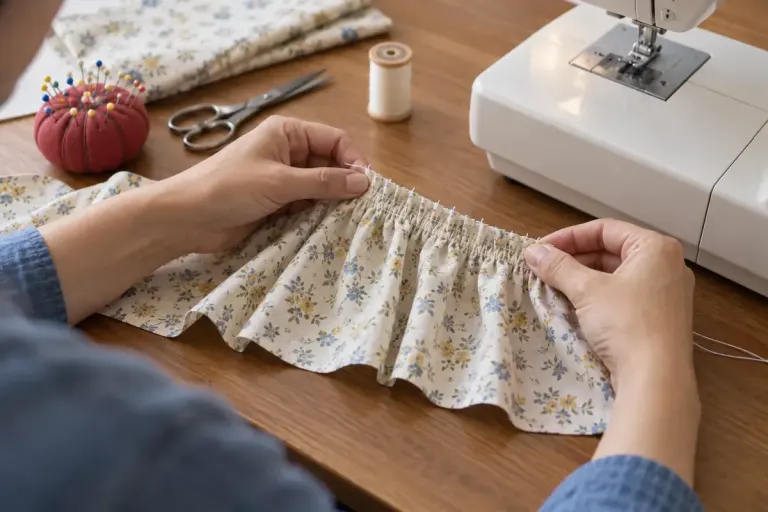
Two parallel gathering rows give you more control when distributing fabric into a ruffle and attaching it to a straight edge.
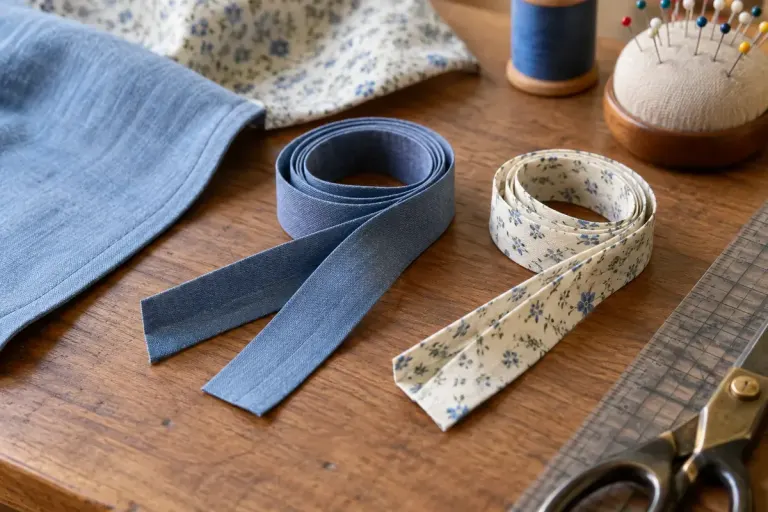
Choose bias tape by the edge you want to finish, and test the fold, width and reverse-side stitching before sewing the garment.
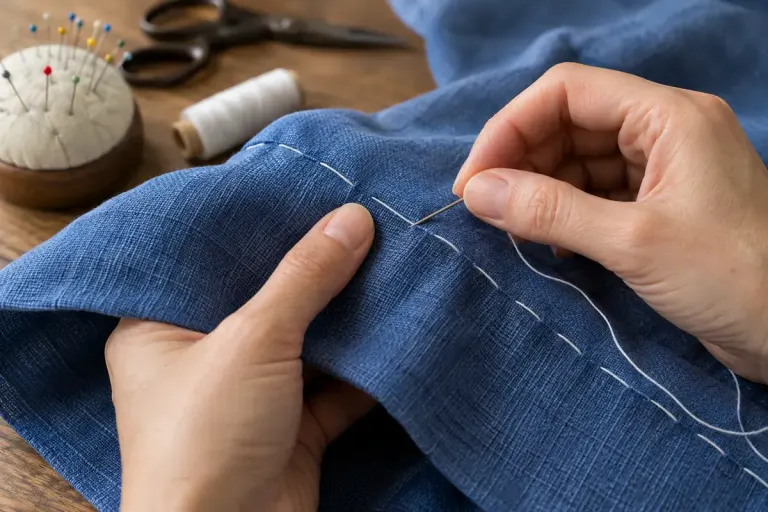
Use temporary basting stitches to check alignment, fit and fabric movement before sewing a difficult seam permanently.
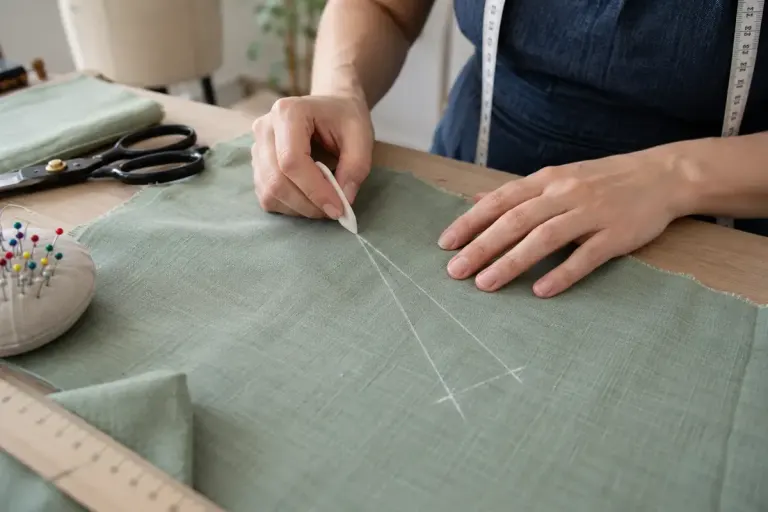
Mark both dart legs, sew smoothly towards the point and press with the garment’s shape in mind to reduce puckers in woven fabric.
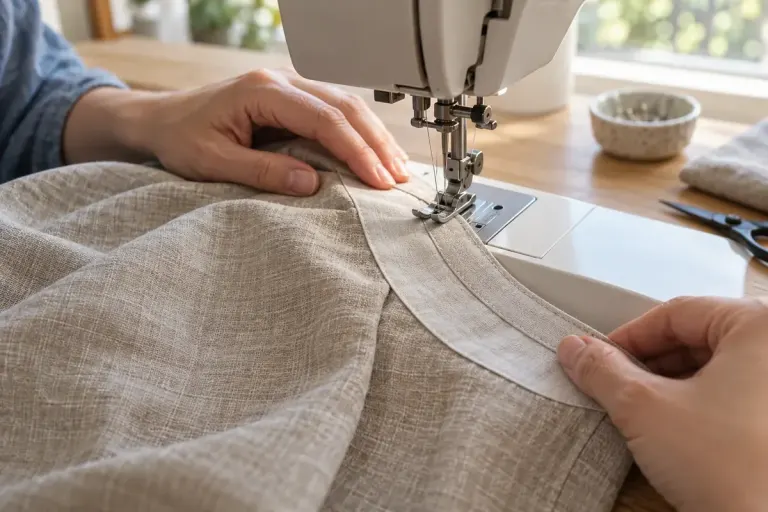
Learn where understitching goes, how it supports a facing and how to practise the seam on a curved scrap before sewing a neckline.